
Compromised Firewater Capacity:
A Hidden Risk in Mining Infrastructure
Overview
A mine site engaged The Tank Inspectors after experiencing calcium deposits in their process water outlet lines. The facility utilized a combined firewater and process water tank configuration, reserving the lower two meters for firewater storage, with the process outlet set approximately two meters above the
tank base. The design assumption was that this configuration would permanently maintain the required emergency fire water supply below outlet level. Despite appearing compliant externally, internal sediment buildup had critically reduced the site’s actual firewater reserve.
Key Findings
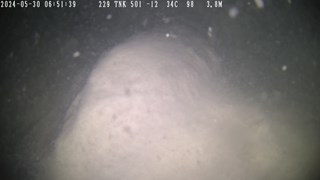
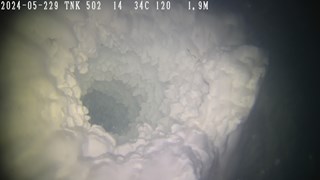
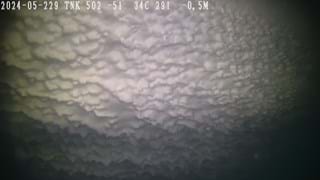
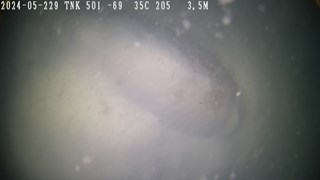
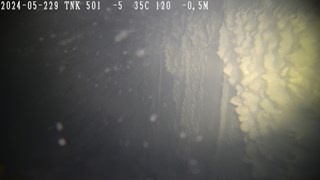
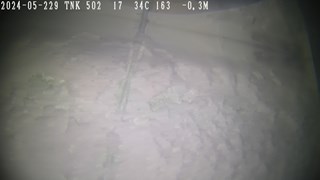
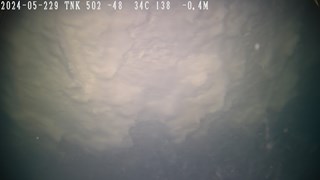
- Significant calcium scale and sludge buildup across the tank floor/walls.
- Emergency fire protection capacity was unknowingly reduced to a critical level due to thick calcium deposits covering the entire antivortex inhibitor.
- Deposits have reached above the process water outlet, indicating a severe condition that significantly impacts overall fire water capacity and system performance.


How The Tank Inspectors Help Protect Properties
- Conduct annual inspections: The Tank Inspectors utilizes ROV technology to assess tank floor condition, buildup levels, and overall structural integrity.
- Implement routine maintenance plans: The Tank Inspectors team has the expertise to set inspection intervals and maintenance, preventing recurring or hidden degradation.
- Remove sludge and scale from further buildup: Equipped with Advanced ROV crawlers, calcium deposits and sediments can be eliminated with regular cleans, without even draining the tank.
- Provide compliance reporting: With years of experience, the team can deliver clear documentation for audits, insurance, and regulatory review.
- Repairs: The team has a capability to carry out required tank repairs identified during inspections, ensuring assets remain safe, compliant, and operational.
Recommendations
- Implement scheduled internal inspections for firewater and process tanks. First inspection after install will help determine inspection and clean frequency.
- Conduct routine cleans to remove sludge and calcium deposits, as well as treat internal tank degradation
- Maintain documented condition reports for compliance and insurance purposes. How The Tank Inspectors Help Protect Properties
Conclusion
Mine sites invest heavily in safety systems, yet fire water infrastructure is often maintained to a lower standard, creating a critical gap in emergency preparedness and potentially weakening the entire fire protection system when it matters most.
This case shows how a vital water tank can be compromised while appearing fully operational. Without routine internal inspection and maintenance, fire protection capacity, compliance, and operational reliability can quietly decline. Proactive inspection and cleaning of firewater and process water tanks is not just maintenance, it is essential asset protection and risk management.